Dog Obesity: Causes, Symptoms, Health Risks & Treatment
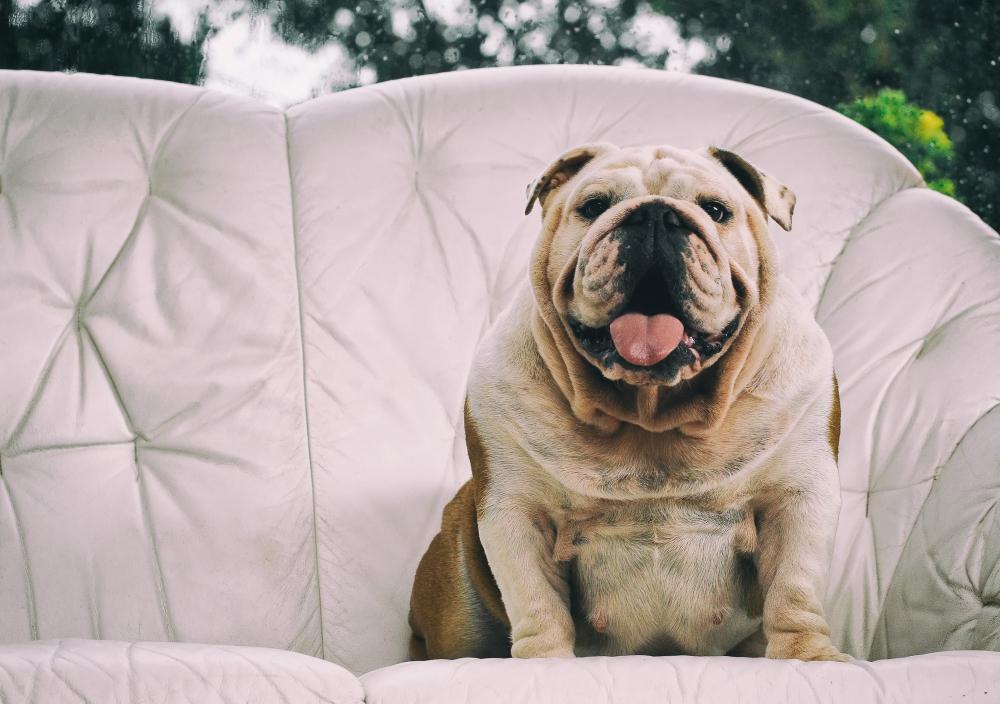
Fifty-nine percent of dogs in the United States are overweight or obese, according to the Association for Pet Obesity Prevention's 2022 prevalence survey. That makes canine obesity the most common preventable condition veterinarians see. In nearly every case, the math is simple: more calories in than out. This guide covers how to identify the problem, what drives it, and how to fix it with your vet.
The short version
- Treats and table scraps are the most common hidden calorie sources. They are also the easiest to cut.
- Ribs you can feel but not see, plus a visible waist from above, indicate healthy weight. The AAHA Nutrition and Weight Management Guidelines recommend body condition scoring at every exam.
- The Purina Life Span Study, a 14-year controlled trial in 48 Labrador Retrievers, found lean-fed dogs lived 1.8 years longer and developed arthritis significantly later.
- A gram scale for food and consistent daily walking are the two interventions that move the needle most. Your vet will set the right duration and pace for your dog.
- A vet visit rules out hypothyroidism and Cushing's disease before you build a calorie plan.
What causes dog obesity and why it matters
Dog obesity is a disease of energy imbalance. Calories in exceed calories out, usually through portion drift, treat accumulation, and declining activity. The AAHA guidelines list owner underestimation of caloric intake as a primary risk factor.
Feeding guides on bags are generous. Multiple family members handing out snacks makes tracking impossible. And small increases compound. A modest daily surplus, like an extra handful of kibble or one unlogged chew, adds up over months. How much weight that surplus becomes varies from dog to dog: metabolic rate, age, breed, neuter status, and activity level all change the conversion, so a given percentage of overfeeding does not translate into the same percentage of weight gain. Your vet can estimate what a specific surplus means for your dog.
Endocrine disease is the other driver. Rapid gain, increased thirst, hair loss, or lethargy alongside weight change warrants bloodwork.
Common dog obesity causes
- Feeding behavior. Leaving food out, multiple feeders in the household, and unmeasured scoops are the most frequent drivers.
- Treats. A single dental chew can contain 200 kcal. Three small biscuits a day add 1,350 kcal per month, enough to move the scale on a medium dog.
- Low activity. Urban dogs and aging dogs both tend to move less than their calorie intake would suggest.
- Medical contributors. Hypothyroidism and Cushing's disease, both described in the Merck Veterinary Manual as common endocrine causes of canine weight gain, should be ruled out if lifestyle changes produce no result.
Home checklist: who feeds and when, total daily treats, food type and measurement method, any recent shift in energy.
Health risks of carrying excess weight
Fat is not inert tissue. It produces chronic low-grade inflammation that stresses the cardiovascular system and accelerates joint degeneration.
The clinical consequences of canine obesity: diabetes, osteoarthritis, respiratory compromise, increased anesthetic risk, and reduced lifespan. The Purina Life Span Study quantified the last of these: lean-fed Labradors lived a median of 1.8 years longer than their heavier littermates and showed delayed onset of chronic disease across the board.
Is my dog overweight?
Two tests, no equipment. Look down from above: a healthy dog has a visible waist behind the ribs. From the side, the abdomen slopes upward.
- Rib and Waist Check: Run your hands along the ribcage: ribs should be easy to feel with light pressure. If they are buried, the dog is overweight. If they are invisible, the dog is obese. Veterinarians use a 9-point body condition scale developed by WSAVA to assess fat.
- Ribs easily felt with a visible waist - score 4 to 5 (ideal).
- Ribs hard to find - score 7 (overweight)
- Ribs buried with no waist - scores 8 to 9 (obese).
The Association for Pet Obesity Prevention estimates 59 percent of U.S. dogs fall above ideal.
- Behavioral signals: The earliest overweight dog symptoms are behavioral, and reduced endurance appears before changes on the scale. Signs like hesitation before jumping, slowing or refusing long walks, heavier breathing after mild exertion, and avoiding stairs or inclines must not be ignored.
These overweight dog symptoms are worth logging
- Record every scoop and scrap for a week.
- Note walk duration and when the dog tires.
- Photograph the dog from above and from the side for the vet.
When to see a vet
Rapid weight gain, especially alongside increased thirst or hair loss, suggests an endocrine condition. That requires bloodwork, not a diet change.
- Bring a detailed log of recent meals and snacks.
- Note changes in movement or energy.
- Have photos and any past weight records.
Portion control and treats
Measure food by weight, not volume. Count treat calories into the daily total. Switch to scheduled meals.
How to measure portions
Cup measures on packaging vary by brand and packing density. Grams on a digital scale do not. The AAHA guidelines recommend calculating daily caloric targets from resting energy requirement and ideal body weight.
- Weigh one serving on a gram scale.
- Ask your vet for a daily calorie goal, then convert it to grams using the food label.
- Divide daily grams into measured meals. Subtract treat calories first.
Treats and hidden calories
Three 15 kcal biscuits a day is 1,350 kcal a month. On a 20-pound dog, that is enough to drive steady gain.
- Swap a 15 kcal biscuit for a 5 kcal piece of freeze-dried liver.
- Replace table scraps with two minutes of play.
Feeding frequency and schedules
Scheduled meals let you see exactly what goes in. Free-feeding does not. Puppies and working dogs may need more frequent servings. Adults carrying excess weight do best with two measured meals a day.
Exercise and activity plans
Start low. Build slowly. Daily movement matters more than occasional long outings.
Safe exercise for overweight dogs
Begin with several 10- to 15-minute walks, two or three times daily. Add five minutes every seven to ten days if the dog handles it well. Swimming is excellent for dogs with joint issues. Stop if you see limping, sustained heavy panting, or refusal to move. The AAHA guidelines recommend tailoring exercise to the individual patient's orthopedic and cardiovascular status.
Enrichment and play
Home-based activity reduces boredom eating and adds movement without joint stress.
- Food puzzles or slow-release toys
- Short fetch on grass or soft ground
- Gentle hill repeats to build muscle
- Scent trails or nose work for low-impact engagement
Working with your veterinarian
If your starting point is simply "my dog is overweight, what to do?", the answer is a division of labor. The vet's role is diagnosis, calorie math, and supervision. Yours is execution and data. Bring a food log, treat list, and activity notes so the appointment runs on numbers.
Assessment and tests
The exam includes a weigh-in and body condition score. If gain was rapid, or if thirst or energy levels have changed, bloodwork including thyroid and cortisol panels identifies endocrine problems that diet alone will not fix.
Setting a calorie target
Vets calculate targets using resting energy requirement and ideal body weight, typically aiming for 1 to 2 percent body weight loss per week. If the target is 800 kcal and the kibble provides 350 per cup, that is roughly 2.3 cups a day, treat calories subtracted.
Monitoring and follow-ups
The AAHA guidelines recommend weight checks every two to four weeks during active loss.
- Week 2: weigh-in and check-in.
- Week 6: progress review, adjust portions if needed.
- Every 4 to 8 weeks after, until the target is reached.
What the bowl data tells your vet
A feeding monitor logs every serving with a timestamp. Your vet sees what actually went in, not what you remember went in. Combine the log with a treat diary and activity notes, and the appointment becomes a data review rather than a conversation from memory.
EverBowl™ provides this context. It understands eating and drinking patterns, not weight loss. But a 14-day intake trend next to a food log and a body condition timeline gives a clinician the full picture. EverBowl does not diagnose or detect any condition and does not replace a clinical exam. When in doubt, weigh the food and call the clinic.
Conclusion
Dog obesity is common, preventable, and fixable with measured feeding and veterinary oversight. Measure every meal. Cut the hidden calories. Add daily movement. Track the data. No bowl replaces clinical guidance, but accurate intake data makes every vet visit more productive.
FAQs
How many years can obesity shorten a dog's life?
The Purina Life Span Study found lean-fed Labrador Retrievers lived a median of 1.8 years longer than their heavier littermates. The lean group also developed osteoarthritis significantly later.
Why would a dog suddenly gain a lot of weight?
Rapid gain usually signals endocrine disease rather than everyday dog obesity causes like treats and portion drift. Hypothyroidism and Cushing's disease change how the body processes energy. The Merck Veterinary Manual lists both as common causes. Bloodwork is required to confirm.
Should I just feed my overweight dog smaller portions of his current food?
Not without veterinary input. . "My dog is overweight, so I'll just feed less" is the most common first move, and cutting portions of standard food risks nutritional gaps. The AAHA guidelines recommend purpose-formulated weight-control diets that maintain essential nutrients at lower calorie density.
What is a safe rate of weight loss for a dog?
One to two percent of body weight per week. A vet monitors progress to confirm fat loss, not muscle loss. Slow and steady protects the heart and joints.