Understanding and Treating Separation Anxiety in Dogs
Keep your dog’s mind healthy with organized, evidence-based care.
What Is Dog Separation Anxiety?
Separation anxiety isn’t bad behavior, it’s an ongoing emotional stress reaction. When your dog panics as you leave, they’re not misbehaving. They’re struggling with fear and uncertainty.
It’s one of the most common yet misunderstood behavioral disorders in dogs, especially rescue dogs, senior pets, and those with medical issues that impact their confidence or cognitive ability.
Causes of Separation Anxiety in Dogs
Dogs are naturally attachment-driven. When they’re unsure of your return, absence triggers panic. Common causes include:
- First-time separation: Dogs unfamiliar with being alone may not know how to self-soothe.
- Shelter to home transition: Rescue dogs with abandonment histories often form intense bonds.
- Routine changes: A new work schedule or travel can disrupt predictability.
- Lack of companionship: No human or animal companion can heighten anxiety.
- Aging or cognitive decline: Senior dogs losing smell, sight, or time perception may feel your absence is permanent.
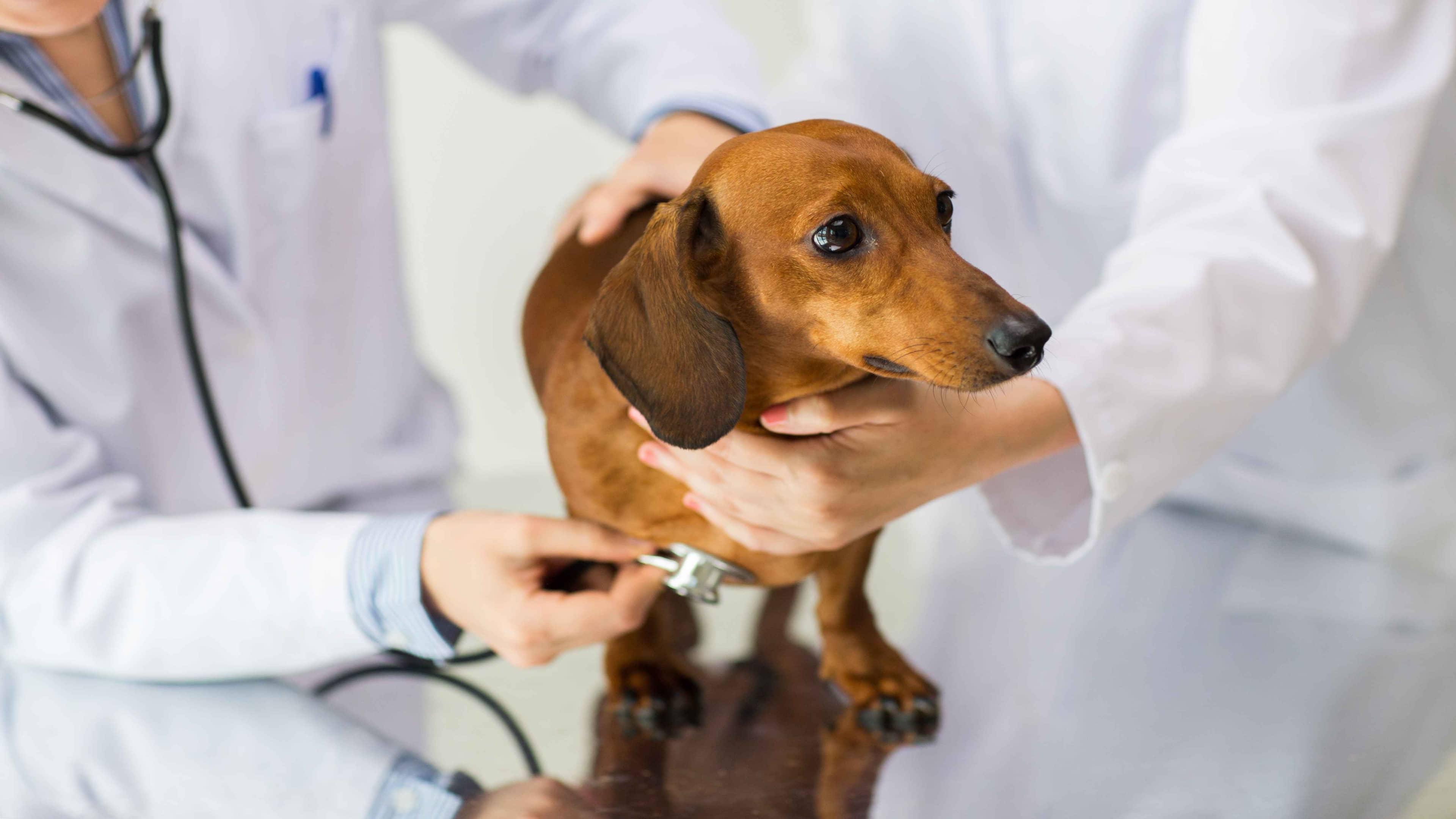
- Underlying medical conditions: Chronic illness, immobility, or persistent pain can worsen distress when left alone.
Signs of Separation Anxiety in Dogs
Separation anxiety is a pattern, not a single event. Look for:
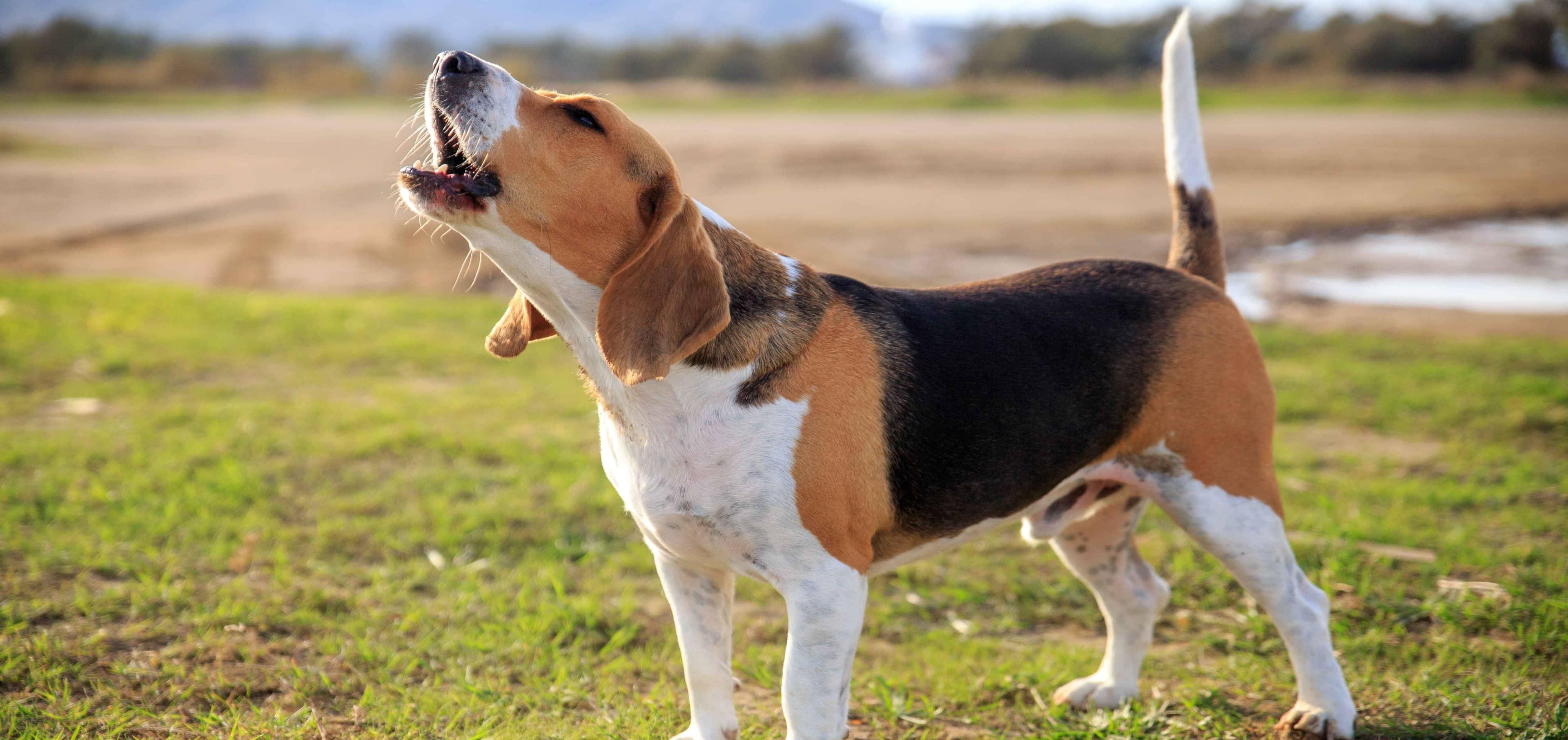
- Whining, barking, or howling right after you leave
- Scratching, chewing, or escape attempts at doors or windows
- Indoor accidents, despite being house-trained
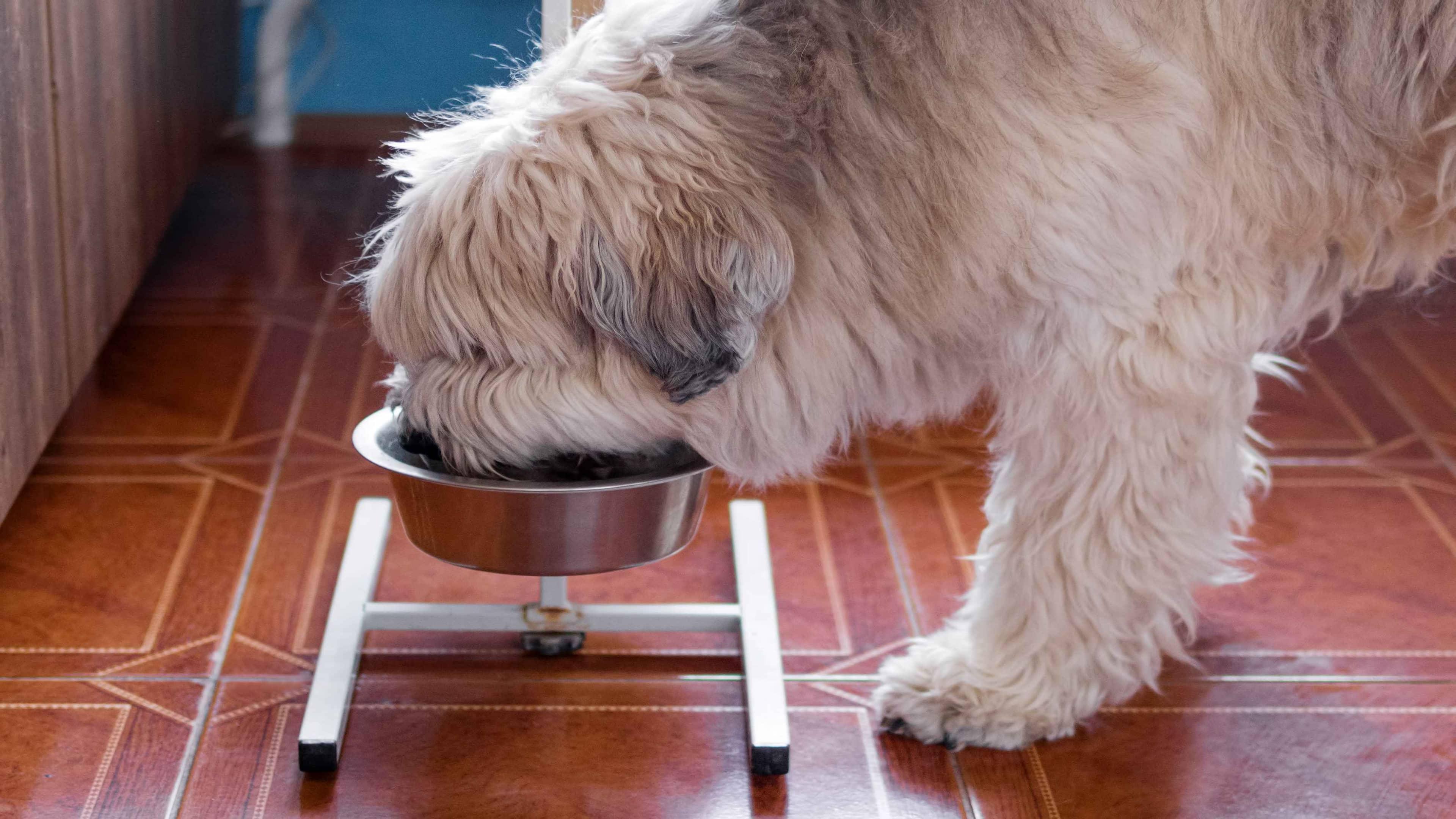
- Drooling, panting, pacing, or refusing food when alone
If these behaviors disappear when you’re home, they’re signs of stress, not defiance.
Why Quick Fixes Don’t Work
Playing the TV or tossing a toy won’t resolve the root cause.
Separation anxiety is not boredom, it’s fear of abandonment. It requires structure, consistency, and trust-building, not distraction.
How to Help a Dog with Separation Anxiety
The following at-home separation anxiety treatment steps can be done with or without a trainer:
1. Gradual Desensitization
Reintroduce absence in short, low-stress intervals.
- Start small: Leave the room for 15 seconds, then return calmly.
- Increase the duration daily.
- Repetition teaches your dog that you always return.
2. Use a Consistent Phrase
Choose a neutral cue like “I’ll be right back” before every departure. Over time, this becomes a reassurance, not a trigger.
3. Calm Reinforcement
Your energy sets the tone.
- Keep departures and returns low-key.
- Avoid high-energy greetings; reward calm behavior instead.
4. Pre-Departure Routine
Maintain a steady daily rhythm.
- Feed, walk, and rest at consistent times.
- Before leaving, provide a chew toy, puzzle feeder, or quiet enrichment activity.
5. Create a Safe Space
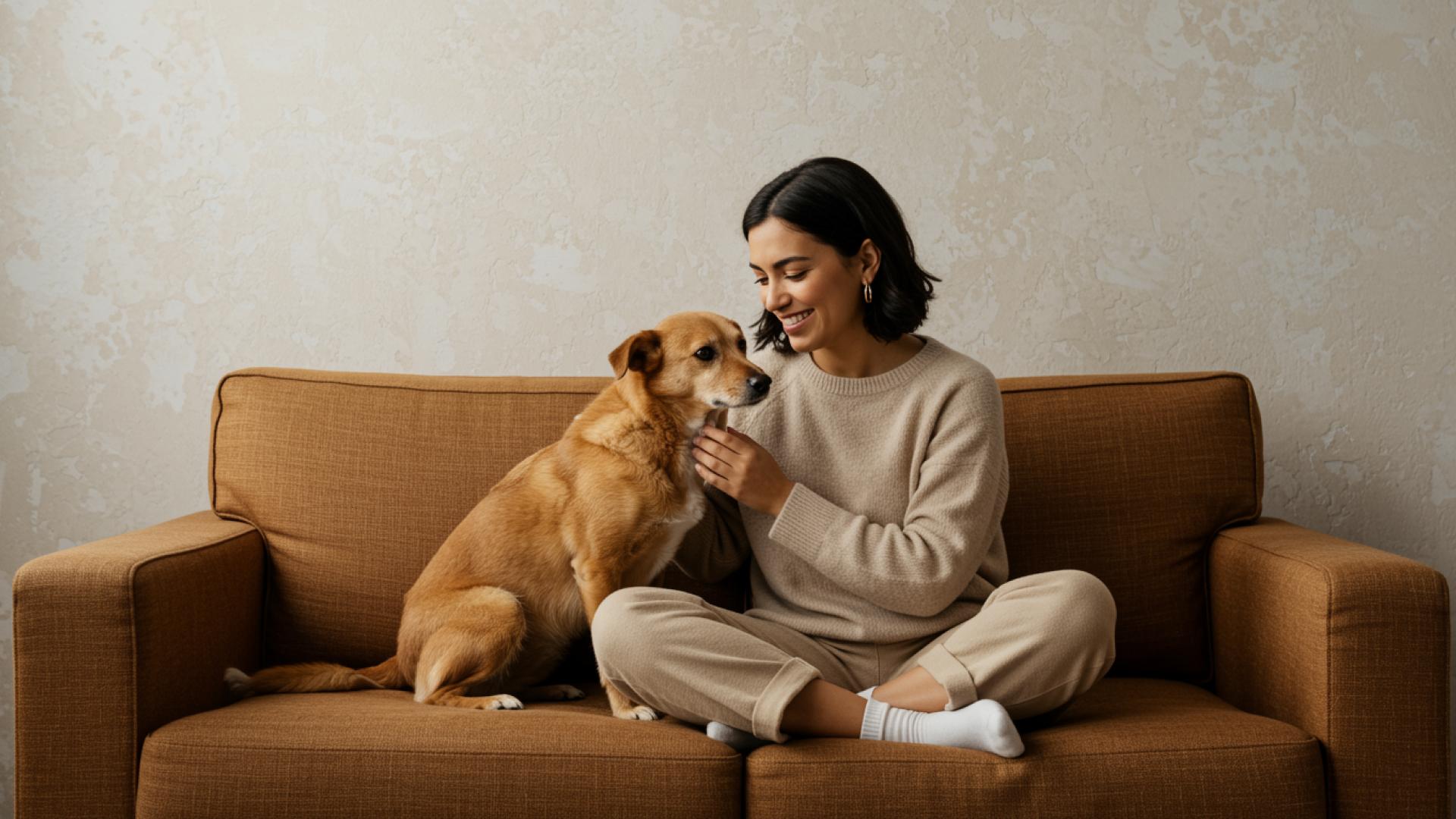
Choose a familiar, enclosed area with your scent, like a shirt or blanket. This becomes their comfort zone during your absence.
When to Seek Professional Help
If anxiety worsens or causes harm, consult a veterinary behaviorist. They can create a tailored plan and, if needed, discuss medication.
How Hoomanely Supports Emotional Wellness
Separation anxiety often builds gradually and silently.
Hoomanely’s intelligent ecosystem detects subtle changes in behavior early movement, rest, eating, and drinking patterns—so you can act before stress escalates.
Proactive pet wellness means
- Recognizing micro-pattern changes
- Receiving real-time insights
- Providing care before problems intensify
The Takeaway
Separation isn’t the problem it’s the fear behind it. Your dog doesn’t need constant presence; they need to trust in your return. That trust is built through calm, consistent actions.
Because genuine care isn’t reactive it’s anticipatory. And emotional health deserves the same respect as physical health.