Why behavior is often the first sign of illness in dogs

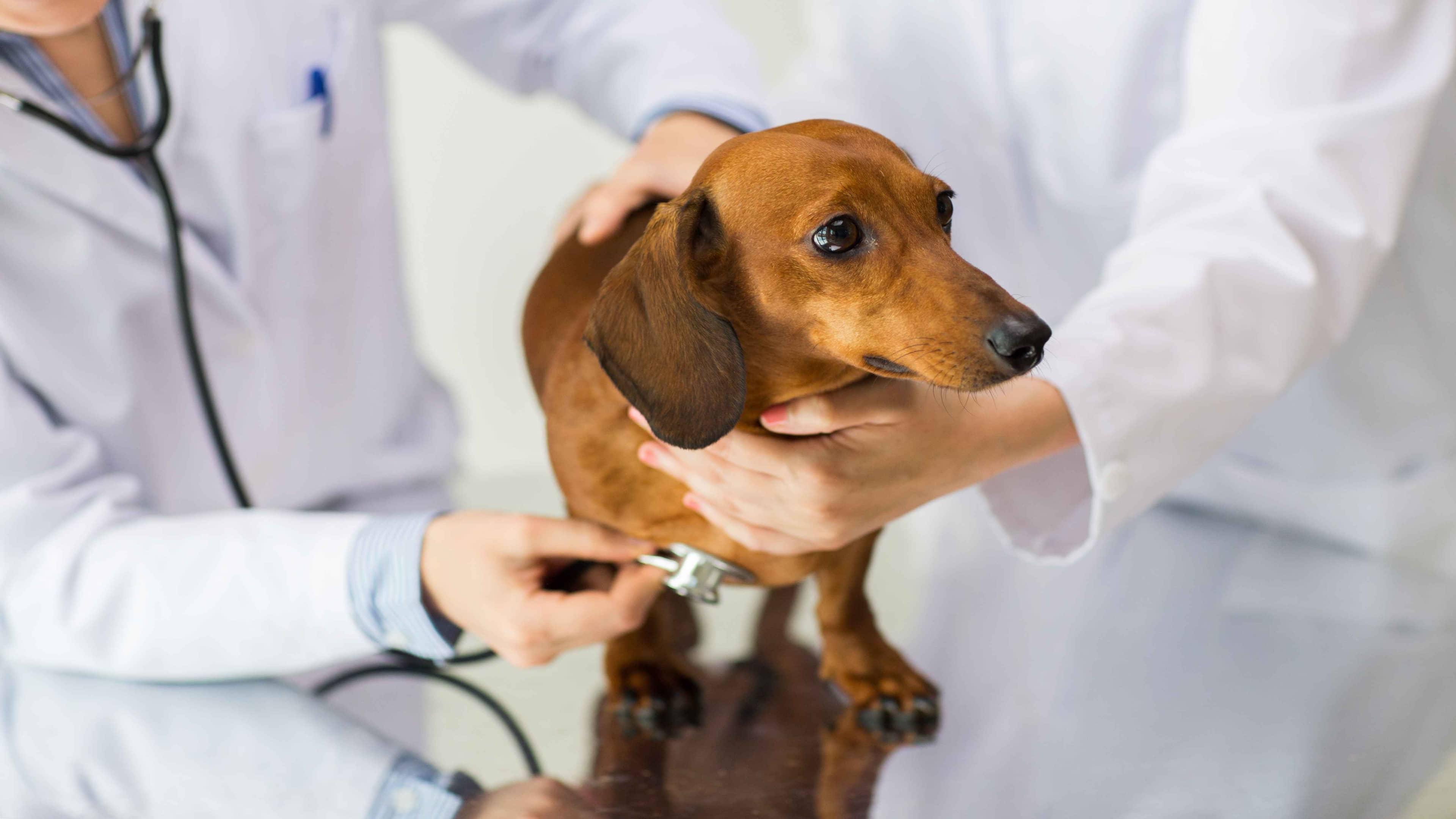
As the American Veterinary Medical Association (AVMA) notes, illness in dogs often shows first in subtle behavioral shifts — small changes in appetite, energy, or daily routines. Left unnoticed, these early signs can become late-stage alarm signals.
With consistent observation and tracking, they remain what they should be: early warnings, not late confirmations.
Movement Patterns: Early Changes in Activity
- Lethargy or unexplained bursts of hyperactivity are rarely random.
- Decreased activity may point to joint pain, fatigue, or slower metabolism.
- Restlessness or agitation can signal discomfort, stress, or neurological changes.
Insight: Dogs rarely limp without warning. Gradual changes in gait or stamina often come before visible pain.
Eating Habits: Appetite as a Health Signal
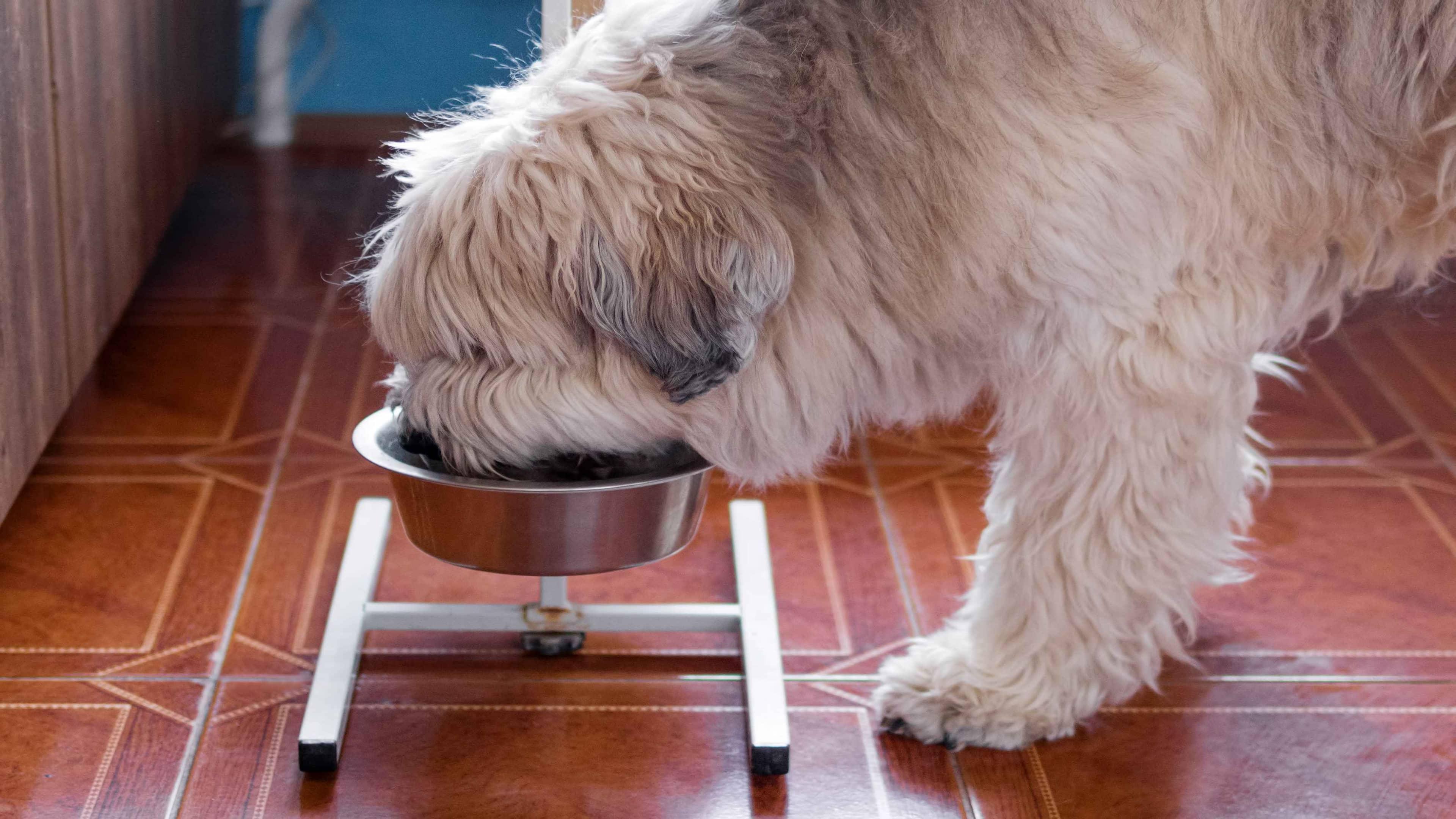
- Hesitation over the bowl, eating more slowly, or chewing on one side may indicate dental pain or nausea.
- Skipping meals can point to stress, inflammatory gut issues, or early systemic illness.
Note: It’s not just how much they eat — it’s when and how.
Sleep Rhythm: Canine Rest Patterns and Health
- Adult dogs average 12–14 hours of sleep daily; puppies and seniors can sleep up to 20.
- Night waking, pacing, or excessive daytime sleepiness can signal pain, cognitive decline, or anxiety.
- Sleep fragmentation is an under-recognized marker of distress or imbalance.
Key Point: Sleep changes are rarely just behavioral. They are often physiological indicators.
Hydration Levels: Tracking Water Intake
- Normal intake: ~1 oz of water per pound of body weight daily.
- Reduced drinking can indicate infection, metabolic issues, or kidney problems.
- Persistent thirst may signal endocrine disorders or dehydration.
Tracking hydration patterns offers a clear window into internal health.
Weight and Body Condition: More Than a Number
- Over 50% of U.S. dogs are overweight, increasing the risk for arthritis, diabetes, and reduced lifespan.
- Gradual weight changes — especially alongside appetite or activity shifts — can suggest organ or hormonal issues.
Weight is not just data; it’s a downstream signal from deeper processes.
Elimination Patterns: Stool and Urine Clues
- Changes in frequency, color, consistency, or urgency can point to urinary infections, gastrointestinal inflammation, or broader health problems.
- Accidents in trained dogs often have a medical, not behavioral, cause.
Stool and urine patterns are often the earliest signs of internal disruption.
From Data to Action: Building a Baseline
You don’t have to track everything at once.
Start with one metric — such as feeding times, step counts, or hydration — and build your dog’s baseline profile. Over time, this creates a unique health fingerprint for your dog, making deviations easier to spot.
The goal isn’t more data. It’s faster, clearer signals.
The Hoomanely Way: From Guesswork to Health Smarts
Hoomanely’s connected care system quietly tracks your dog’s movement, rest, eating, and drinking patterns — creating a personalized baseline and flagging deviations long before symptoms appear.
- Prevention-first strategy
- Signal-based, not symptom-based, care
- Actionable, tailored insights for better decisions
Why It Matters
Pain doesn’t always cry out. Illness doesn’t always announce itself. But patterns always shift first.
With Hoomanely, you can move from not knowing to knowing, from reacting to preventing.
Real concern doesn’t wait until symptoms show. It listens for subtle cues and acts with certainty.