Why Is My Dog Drinking a Lot of Water? Causes, Symptoms & When to See a Vet
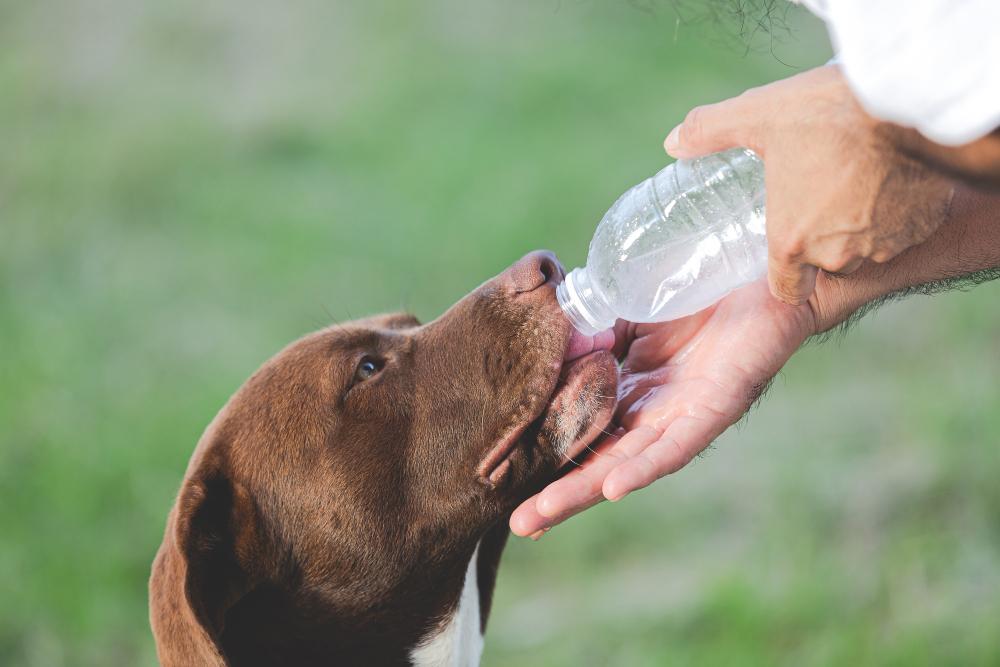
A healthy dog drinks about one ounce of water per pound of body weight each day, according to a WebMD journal. Thus, a 40-pound dog typically needs about 40 fluid ounces of water daily. Short-term increases in water intake likely occur due to heat or exercise and resolve on their own. A sustained spike, especially with frequent urination, does not.
The blog covers baselines, common spikes, medical causes, red flags for the vet, and practical ways to track intake at home.
The short version
- Veterinary references define polydipsia as sustained intake above 100 mL per kilogram per day, roughly 1.6 ounces per pound. A dog drinking at or above that level for more than 48 hours without an obvious trigger needs a vet call.
- Hot weather or a switch to kibble can explain a temporary increase. Persistent polydipsia can also be an early sign of diabetes, kidney disease, or Cushing's disease.
- Start logging refills as soon as you notice the change and keep logging while you wait for the appointment. Bring whatever data you have- three days is useful, a week is better. Do not delay the call in order to collect more.
- Excessive drinking paired with weight loss, vomiting, lethargy, or house accidents is urgent. Do not wait.
- A dog drinking excessively alongside weight loss, vomiting, lethargy, or house accidents is urgent. Do not wait.
Why do dogs drink a lot of water?
Hot weather, exercise, and dry food cause short upticks. A dog drinking a lot of water and peeing more than usual, with no sign of it settling, can point to diabetes or kidney disease. The Merck Veterinary Manual describes polydipsia as one of the earliest clinical signs for both.
Use the 50–60 mL/kg (one ounce per pound) baseline as your reference point. Sustained intake above 100 mL/kg per day meets the clinical definition of polydipsia and warrants veterinary assessment (Merck Veterinary Manual). Below that but clearly above your dog's own normal, start tracking and call the clinic if it persists past 48 hours. Vomiting, lethargy, weight loss, or indoor accidents alongside heavy drinking make this an urgent vet visit.
Normal water intake for dogs
Roughly 50 to 60 mL per kilogram, or about one ounce per pound, per day. Every animal varies, so treat this as a flexible baseline. Activity and temperature shift the water intake sometimes, but that is normal.
- Generally, a 10-pound (4.5 kg) dog: about 10 ounces. A 25-pound (11 kg) dog: about 25 ounces. A 50-pound (23 kg) dog: about 50 ounces. An 80-pound (36 kg) dog: about 80 ounces, or roughly 2.4 liters.
- Diet matters. Wet food runs 60 to 80 percent moisture, so dogs eating canned food drink less than those on dry kibble, which is only about 10 percent water.
- Nursing mothers need more water. But a sudden spike in an older dog warrants investigation.
Common reasons dogs drink more
Several everyday things make a dog drink excessive water for a day or two, and when thirst spikes then drops, the cause is usually temporary. Three categories: environment, food, medicine. Reversing a recent change usually reveals whether the thirst is harmless or persistent.
Environment and activity
Dogs lose fluid through panting and exercise. Heavier drinking after a long walk or during a hot week is expected. Indoor heating dries the air enough to push intake up. After a four-mile hike on a warm afternoon, a dog might finish an extra liter that evening. If heavy drinking continues after a full day of rest, investigate further.
Diet and treats
Dry kibble is 10 percent water. Dogs eating it visit the bowl more than those on wet food.
- Check whether you recently changed brands or bought high-sodium treats.
- Cut table scraps and salty rewards for two days and see if thirst drops.
- Mix in some wet food for 24 hours and compare intake.
Medications and side effects
Certain prescriptions increase thirst. If your pet recently started a new medication, that is the likely explanation.
- Steroids, some diuretics, and certain seizure medications are the most common culprits. The Merck Veterinary Manual lists polydipsia as a predictable side effect of glucocorticoid therapy.
- If a medication change coincides with increased thirst, call your vet before adjusting the dose yourself.
Medical causes of excessive thirst in dogs
For a dog that drinks excessive water without an obvious trigger, the cause is usually medical. Vets start with a urinalysis, CBC, and chemistry panel. The IRIS staging guidelines and AAHA diagnostic protocols both recommend these as baseline tests for polydipsia workups. Early diagnosis gives you more treatment options.
Diabetes mellitus
High blood glucose pulls extra water into the urine through osmotic diuresis. Dogs urinate more, then drink more to compensate. Weight loss despite normal or increased appetite is a classic sign. The AVMA notes that this combination is one of the defining presentations.
- Cataracts and lethargy develop as the disease progresses.
- Diagnosis is confirmed with blood glucose and urine glucose tests.
Kidney disease
When kidneys cannot concentrate urine, the dog produces large volumes and drinks to replace the loss. Early stages are subtle. Later stages involve nausea, appetite loss, and weight loss.
The IRIS staging system classifies severity based on creatinine and SDMA levels and guides treatment decisions. The goal: manage the underlying cause, maintain hydration, and switch to a kidney-appropriate diet.
Cushing's disease
Excess cortisol increases thirst and hunger. It also produces a pot-bellied appearance, heavy panting, and skin thinning. If body shape changes alongside heavier drinking, a hormone problem is likely.
Vets confirm with specific endocrine tests, usually a low-dose dexamethasone suppression test or an ACTH stimulation test, and sometimes imaging to locate a tumor.
Pyometra: do not wait on this one
If your dog is an unspayed female and her thirst has increased, treat it as urgent rather than something to log for a week. Pyometra is a uterine infection that causes increased thirst and urination, often alongside vomiting, lethargy, appetite loss, or vaginal discharge, and it typically appears in the weeks following a heat cycle. It is a surgical emergency. Call your clinic the same day rather than starting a tracking log (Merck Veterinary Manual).
Infections and other conditions
Not every case is metabolic. Urinary tract infections, pyometra in unspayed females, liver disease, certain cancers, electrolyte imbalances, and the rare condition diabetes insipidus can all drive excessive thirst.
Many present with paired signs: fever, discharge, vomiting. When symptoms are vague, bloodwork and imaging fill the gaps.
When to see the vet
Track how long the habit persists and watch for other physical signs.
- Book a visit if thirst and heavy urination last more than 48 hours without a clear trigger.
- Seek emergency care for a dog drinking excessively that is also vomiting, collapsing, or panting heavily.
- A standard appointment is appropriate for a dog that seems healthy but has recently started drinking more.
Before the visit, collect a week of intake data, a medication list, and notes on recent diet or activity changes. The AAHA recommends bringing a fresh urine sample when polydipsia is the concern. It saves a follow-up trip.
How to track your dog's water intake at home
A baseline turns a vague concern into data a vet can act on. Track for one to two weeks before the appointment.
Measuring your dog's baseline
- Fill a clean bowl at the same time every day.
- Use a measuring cup or kitchen scale to record exactly how much you pour.
- Check the water level 24 hours later and subtract what remains.
- Note the weather, exercise, and anything unusual for the day.
- In multi-dog homes, give the target dog their own bowl or supervise.
- Assign one person to handle refills so the numbers stay reliable.
Tools for tracking
Low-tech and high-tech both work. Consistency matters.
- Measuring cups and a spreadsheet: cheap, private, accurate. Requires daily effort.
- Paper log plus short phone videos of drinking episodes: gives the vet both numbers and visual context.
- Smart bowls automate the process. Useful in multi-pet homes or when owners travel.
What the EverBowl data tells your vet
EverBowl™ learns your dog's normal drinking pattern and shows how that pattern changes over time, without manual measuring each morning.
A multi-day intake history gives your veterinarian additional context alongside your notes on weather, diet, activity, and any other symptoms. EverBowl™ does not diagnose or detect any condition and does not replace a clinical exam. If you see a sustained rise in intake, take those numbers to your vet.
Conclusion
Compare daily intake against the 50–60 mL/kg (one ounce per pound) baseline. If you have already ruled out new medications or extra exercise, start a log and call your clinic if the increase persists past 48 hours.
If heavy drinking persists alongside weight loss, lethargy, or frequent urination, call your vet. Intake data gives them a real starting point. No bowl replaces a clinical exam. When in doubt, phone the clinic.
FAQs
Should I stop my dog from drinking too much water?
Never restrict water unless a vet specifically instructs it. The Merck Veterinary Manual warns that unguided restriction can cause dehydration or mask a condition that needs treatment. Track refills and book an exam.
Do dogs drink more water as they get older?
Slightly. Older kidneys lose some concentrating ability. A sharp spike is not normal aging. It frequently signals diabetes or kidney disease. Have your vet run bloodwork rather than attributing it to age.
Why is my dog drinking so much water and not eating?
This combination often signals liver trouble, kidney failure, or diabetic ketoacidosis. It needs a same-day vet visit.
Is excessive thirst in dogs an emergency?
Context determines urgency. Extreme or sudden thirst alongside vomiting, labored breathing, or collapse is a crisis. A dog that drinks excessive water but otherwise seems normal can be monitored for a day or two. Calling the clinic for guidance is always reasonable.
Do dogs drink a lot of water at the end of life?
A pet may sip more frequently, but thirst alone is not a definitive end-of-life sign. The behavior usually has a treatable cause. Talk to your vet about whether comfort care or active treatment is appropriate.
Why is my dog drinking more water but acting normal?
Context determines urgency. Extreme or sudden thirst alongside vomiting, labored breathing, or collapse is a crisis. A dog that drinks excessive water but otherwise seems normal can be monitored for a day or two. Calling the clinic for guidance is always reasonable.