Why Is My Dog Not Eating? Common Causes, What to Do & When to See a Vet
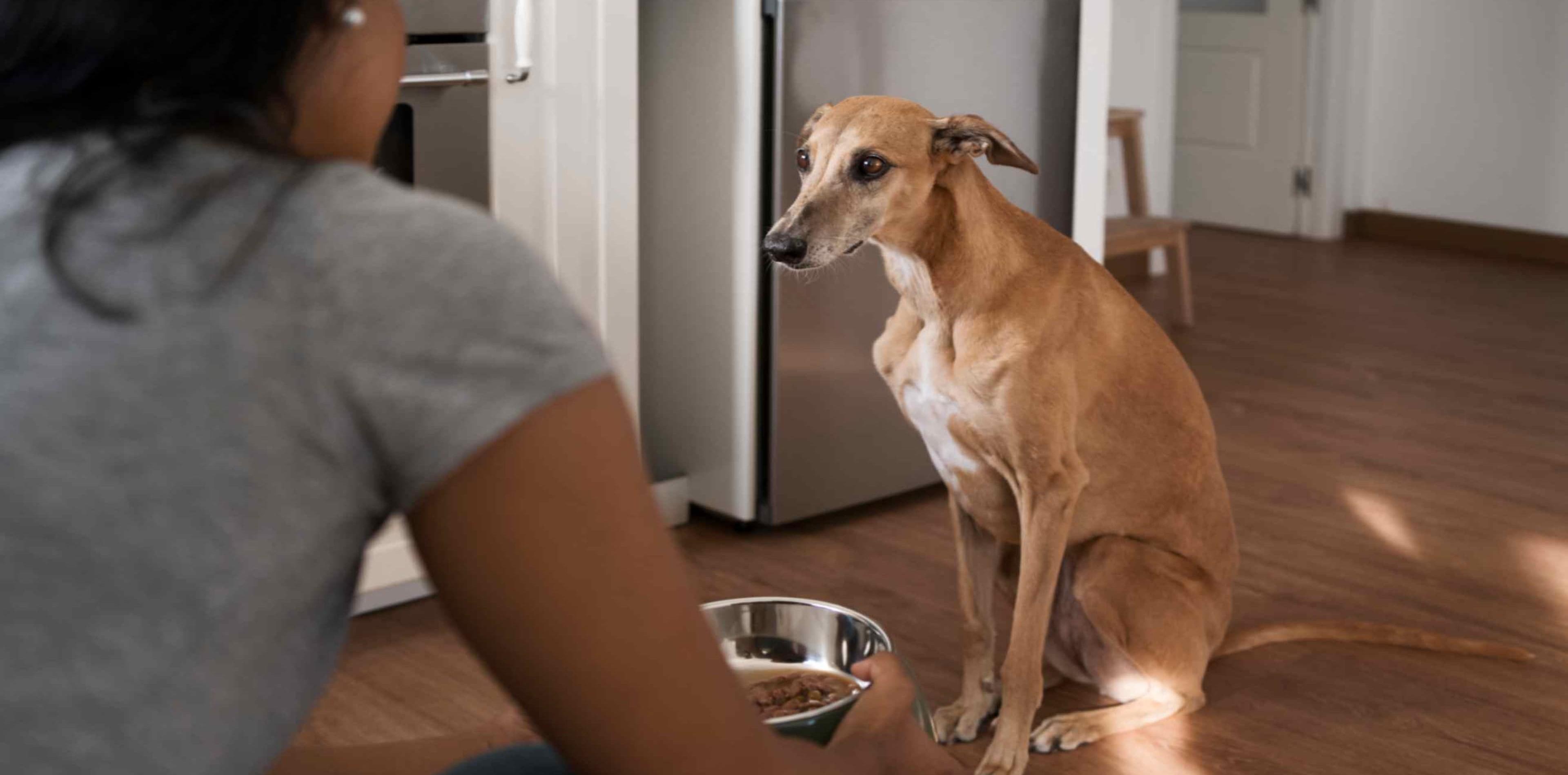
It's stressful when your dog suddenly doesn't want to finish their food or skips a meal completely. You're right to worry. Many appetite changes have simple fixes, but some situations need fast action.
This guide breaks down the most common reasons dogs stop eating, safe steps to try at home, the red flags that mean you should call a vet, and what to expect at the clinic. Before you call, note how long it has been since your dog last ate a full meal and whether they are also turning down treats. Watch for changes in water intake, energy, digestion, or any recent switch in diet or medication. Those details help your vet reach a diagnosis faster.
Key takeaways
- Stress, a change in routine, dental pain, and underlying illness are the most common reasons dogs stop eating.
- A healthy adult dog can usually be watched for 24 hours. A puppy or a senior dog that is not eating needs help much sooner.
- Warming the food or adding a little plain, onion-free, low-sodium chicken broth can often tempt a reluctant eater.
- Loss of appetite combined with vomiting, a hard or painful belly, or lethargy needs professional help right away.
Why is my dog not eating?
Most cases come down to one of five areas: a medical problem, mouth pain, behaviour or stress, an issue with the food or environment, or age-related changes. Each carries its own urgency and its own clues you can spot at home. Read through the sections below and see which ones match your dog before deciding whether to wait it out or call a professional.
Medical causes
Illness is the most important cause to rule out, because it ranges from a mild stomach upset to something life threatening. Nausea, pancreatitis, infections, and organ problems such as kidney or liver disease can all suppress appetite. The Merck Veterinary Manual describes appetite loss as a common clinical sign across many systemic diseases, which is exactly why the surrounding context matters so much.
Did your dog's hunger vanish overnight? An abrupt refusal to eat is a red flag for a gut blockage or a swallowed foreign object. Toxins and side effects from a new medication can also leave your dog feeling too sick to eat. If you notice repeated vomiting, extreme tiredness, a bloated belly, or collapse, get help immediately.
Dental and oral issues
Mouth pain turns eating into a chore, and it is far more common than most owners realise. The American Veterinary Medical Association notes that most dogs show early evidence of periodontal disease by around three years of age, and Cornell's Riney Canine Health Center puts the figure at 80 to 90 percent of dogs over three, even when their teeth look clean. A broken tooth, gum disease, or an oral injury can make crunching kibble genuinely painful.
Check for these signs at home:
- Unusually foul breath
- Drool or saliva with a pink or bloody tint
- Pawing at the face or hesitating to bite down
- Suddenly preferring soft food after years of happily eating dry kibble
Offer a bit of wet food and watch what happens. If your dog eats treats and soft food but avoids the kibble, the physical act of chewing is likely the problem.
Behavioural causes
Sometimes the issue is mental rather than physical. Anxiety, fear, or plain pickiness learned from too many table scraps can all keep a dog away from their food. A change in routine, a new pet in the house, or a recent scare can do the same. In older dogs, what looks like fussiness can be an early sign of cognitive decline.
Ask yourself:
- Did you recently move house or bring home a new pet?
- Is the food in a loud room or near a bossier animal?
- Are frequent treats teaching your dog to hold out for something better?
- Does your dog seem restless, shaky, or inclined to hide?
If a dog that is not eating is also acting unusually anxious, a vet visit is the safest move.
Environmental and food issues
The answer is sometimes right in front of you. Food that has gone rancid, a sudden change in brand or flavour, or simply too many snacks earlier in the day can all leave your dog uninterested at dinner time. The WSAVA Global Nutrition Guidelines recommend treating diet history as a routine part of any health assessment, and a recent change is often the first thing a vet will ask about.
Run these quick checks:
- Sniff the bag for any rancid smell and check the expiry date.
- Make sure you did not accidentally buy a different flavour or texture.
- Move the food somewhere quiet where no one will bother your dog.
- Wash the dish thoroughly, or try a flat plate instead.
If nothing changes, add a small piece of plain cooked chicken and see if that sparks any interest.
Senior dog factors
A senior dog not eating is usually more serious than a middle-aged adult skipping a meal. In older dogs, appetite loss is frequently a sign of pain, declining organ function, or a reaction to medication. The 2023 AAHA Senior Care Guidelines treat appetite and weight changes as core screening signals in older dogs rather than something to watch at home. The same guidelines note that adding moisture to food improved nutrient digestibility in senior dogs, which is a useful reason to soften meals as your dog ages.
Stiff joints can also make it physically hard to reach the food. A few supportive steps:
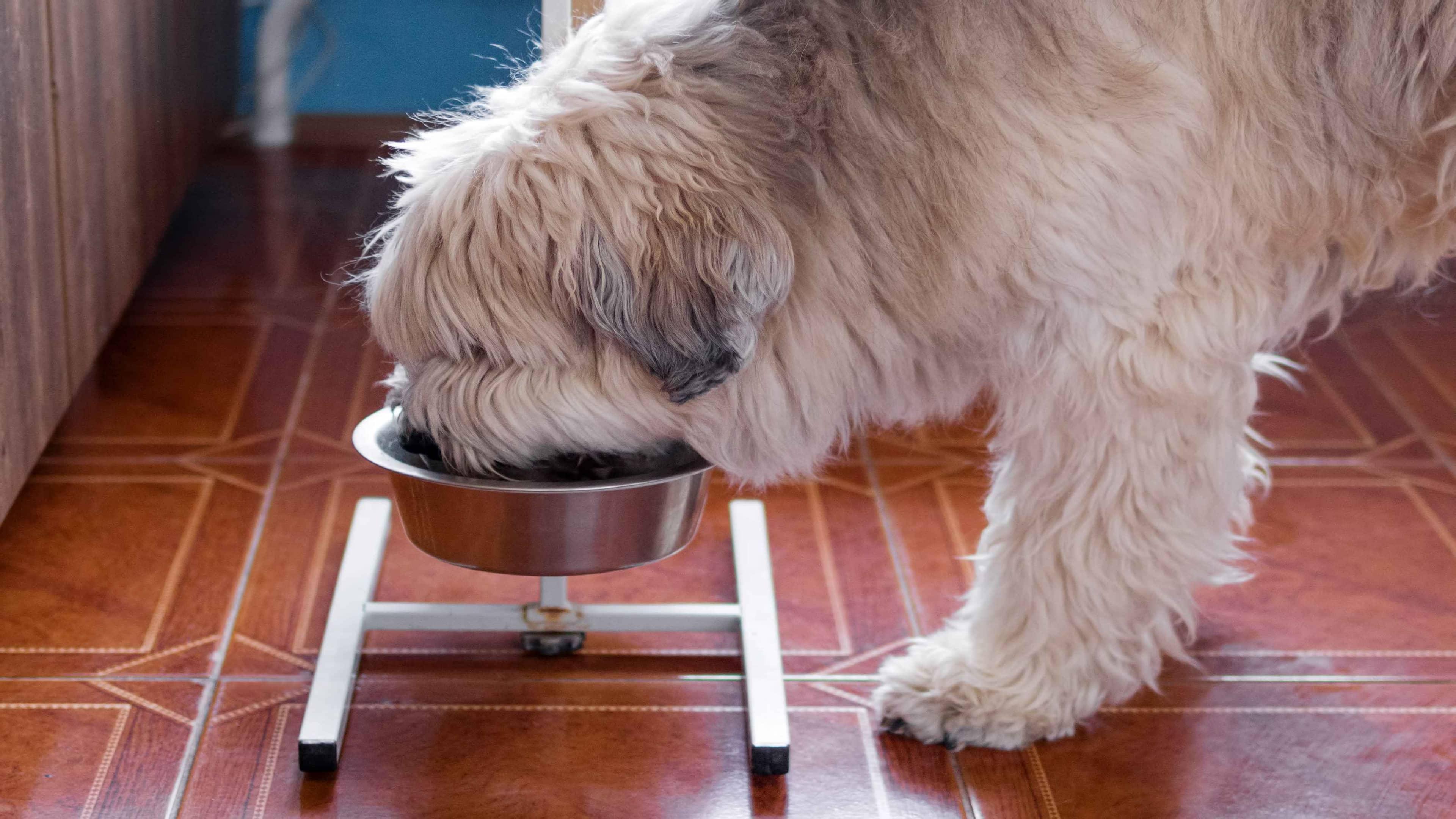
- Raise the dish on a stand so your dog does not have to lean down as far.
- Add warm water to dry food to soften it.
- Mix in a little plain, onion-free, low-sodium broth and keep a close eye on their weight.
If weight starts dropping or the disinterest continues, book a checkup.
Immediate steps to try at home
Start with safe, simple tricks and record everything your dog actually swallows.
- Warm the food briefly to strengthen the aroma. Stir it and test the heat with your finger.
- Add warm water or a splash of plain, low-sodium chicken broth. Check the label first: it must contain no onion or garlic. Both are toxic to dogs and can damage red blood cells, and the ASPCA lists them as unsafe in every form. Softened kibble is easier to eat, and the warmth releases smell.
- Offer a small piece of plain boiled chicken or turkey. This tells you whether your dog is being picky or truly refusing all food.
- Hand-feed a couple of bites. Watch for signs of jaw pain while your dog chews.
- Cut out treats for a full day so snacks are not filling your dog up before meals.
- Track their habits for the day: energy level, water intake, and time spent eating.
What to avoid:
- Never give human medications unless a vet has said it is safe, and keep fatty scraps and toxic foods like chocolate, grapes, and onions well away.
- Do not force food into your dog's mouth. A dog can inhale forced food, and that is a medical emergency.
If these steps work and your dog seems energetic, keep monitoring. If they are still refusing meals or seem unwell, contact a clinic.
When should you see a vet about your dog not eating?
For a healthy adult dog, the rule of thumb is 24 hours: one skipped meal is worth watching, but if appetite has not returned within a day, call the vet. For puppies, small breeds, and senior dogs, contact the clinic within that first day rather than waiting it out. Veterinary references generally treat food refusal beyond 24 to 48 hours, or food refusal alongside vomiting, lethargy, or weight loss, as a reason for prompt evaluation.
Seek immediate help if the appetite loss comes with vomiting, diarrhoea, or lethargy. Do not wait if your dog has a painful stomach, trouble breathing, or pale gums. Collapse, or known ingestion of something toxic, is an emergency.
Why speed matters for special groups:
- Puppies have tiny energy reserves and can develop low blood sugar quickly. The Merck Veterinary Manual notes that puppy hypoglycaemia is seen in toy breeds during the first six months of life, and early help prevents a crash.
- Small breeds run high metabolic rates with little fat in reserve, which puts them at higher risk.
- Dogs with chronic conditions like diabetes or kidney disease cannot afford missed calories and need care faster.
How vets diagnose loss of appetite
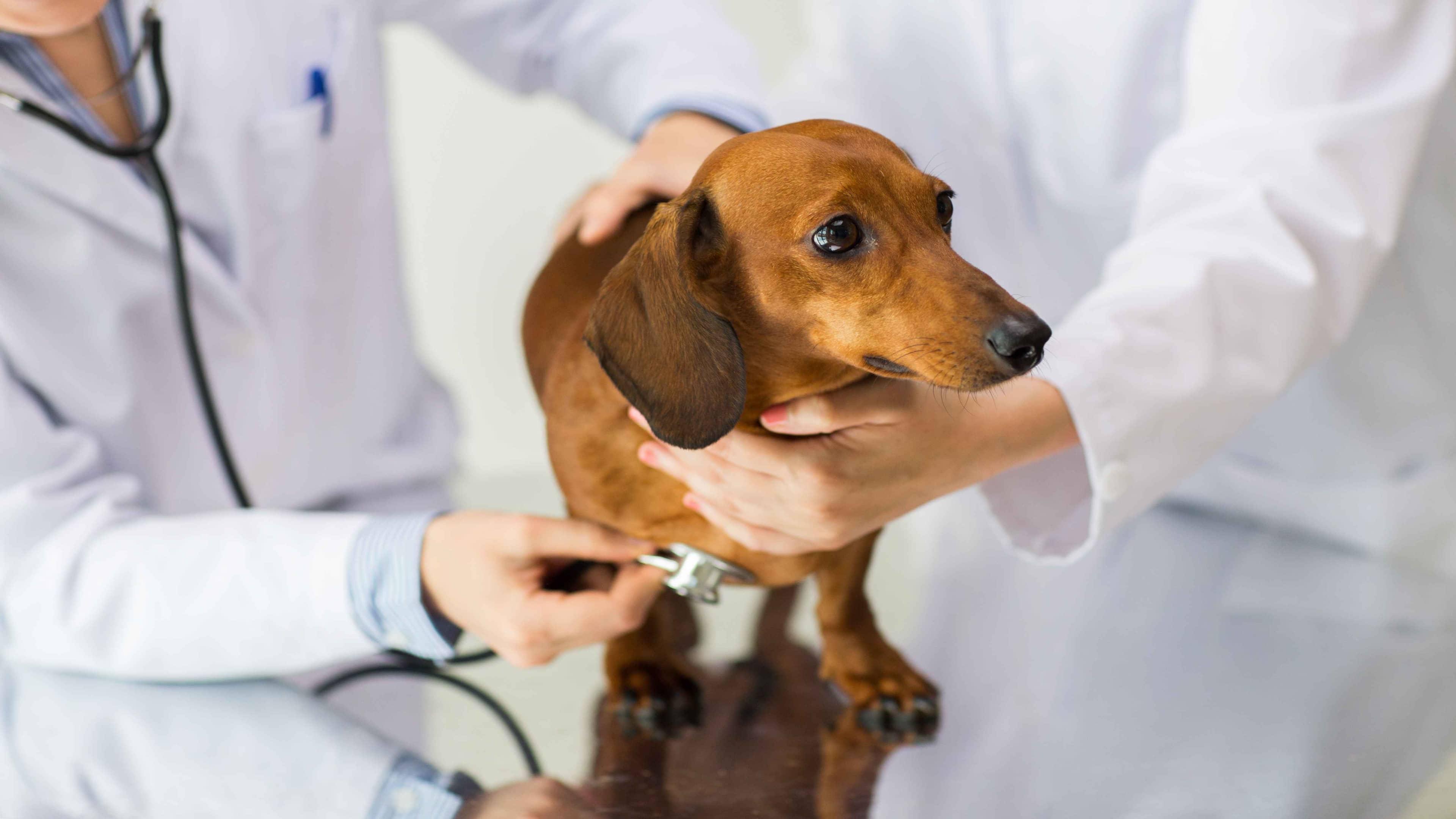
Vets start with questions about your dog's recent behaviour and a physical exam, including feeling the abdomen and checking the mouth. From there, blood work or a stool sample can reveal hidden problems, and imaging like x-rays or ultrasound comes in when a blockage or organ issue is suspected.
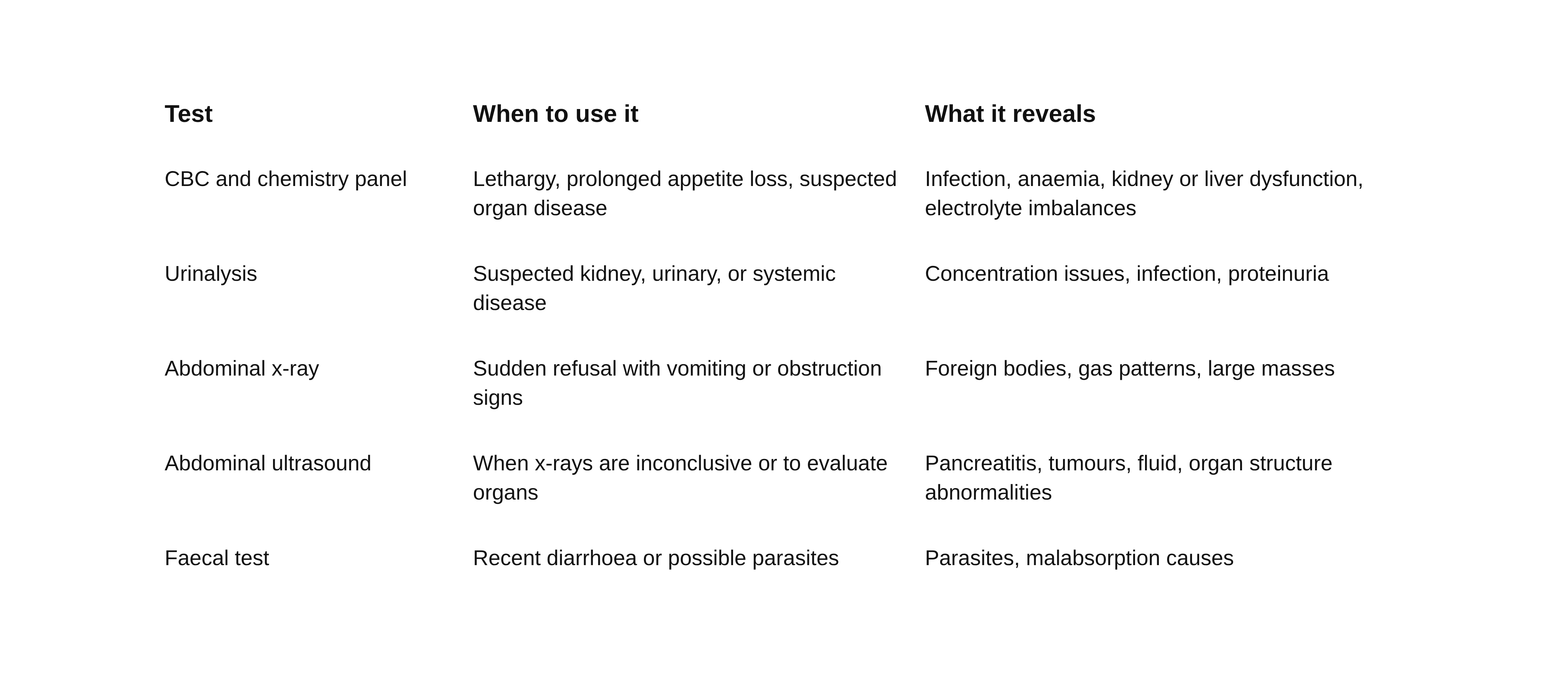
Treatment depends on what turns up. A mild stomach upset usually resolves with a bland diet. Infections get antibiotics. Obstructions may need surgery, and dental disease is treated with cleaning or extractions. Your vet may also suggest appetite stimulants or fluids to support recovery.
Bring your meal log or the food packaging to the appointment. That small detail often helps the vet find the answer faster.
Monitoring meals with Hoomanely EverBowl
Hoomanely EverBowl tracks when your dog eats and how much food they finish, which makes it easy to spot small changes you might miss on a busy day. It keeps you informed, but it does not replace a vet's diagnosis.
Trend data often reveals a slow decline in appetite that a quick glance would never catch. If the app flags a missed meal, you can check on your dog's weight and mood the same day. This is especially useful for puppies, for tracking a senior dog's patterns over weeks, and for multi-dog homes where it is otherwise hard to tell which one is eating less.
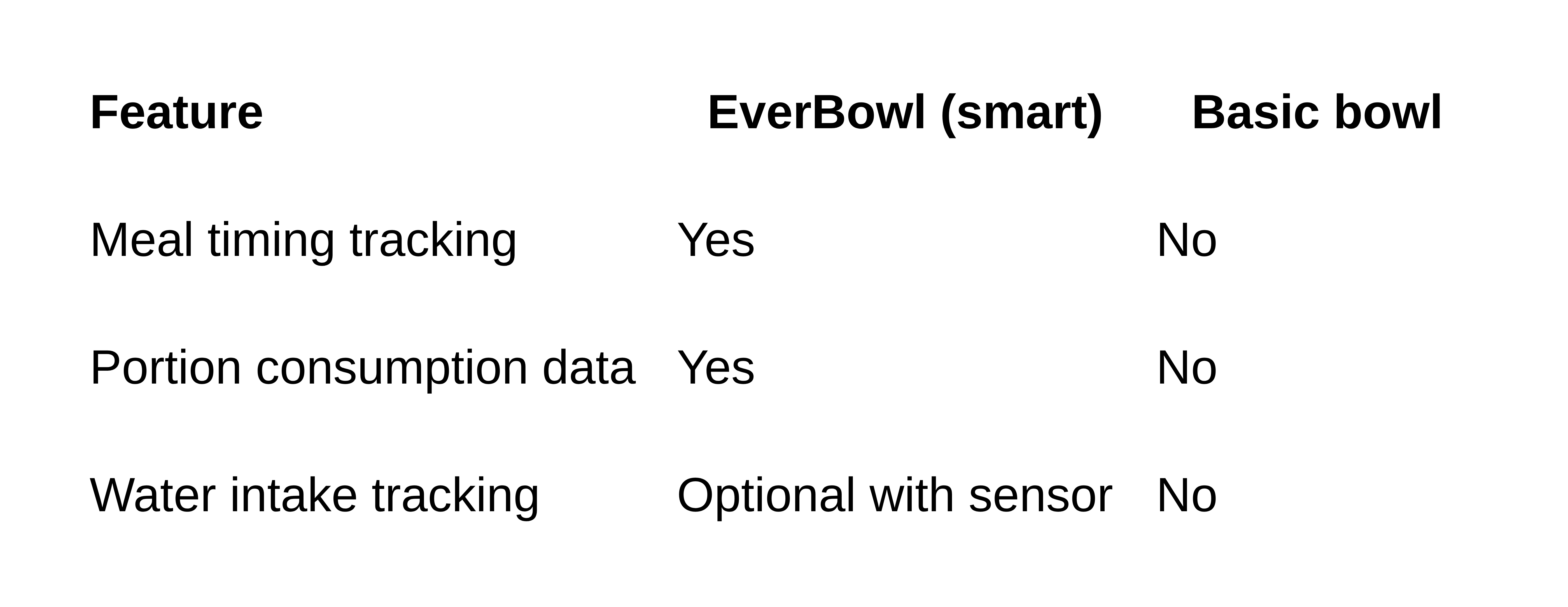
EverBowl watches meals and sends updates, but it will not tell you what is wrong. If a trend worries you, take those stats to your vet.
Conclusion
A change in appetite usually points to something: sometimes simple fussiness, sometimes dental pain or a medical condition. Watch what your dog eats, keep a detailed log, and visit a vet if things feel uncertain. A senior dog or a puppy that is not eating needs professional help quickly. Digital tools like EverBowl reveal patterns, but no app substitutes for a real exam. If in doubt, phone your clinic and share the notes you took.
FAQs
1. Why will my dog eat treats but not their food?
Usually because they have learned that holding out works. A dog that refuses kibble but begs for biscuits is most often a picky eater. That said, pain from chewing hard food is possible, so check their mouth and try soft food to rule it out.
2. How long is it okay for a dog not to eat?
A healthy adult dog can safely be monitored for 24 hours. If appetite has not returned within a day, call your vet. Puppies, small breeds, and senior dogs should be seen sooner, ideally within that first day.
3. What can I do for a senior dog who refuses to eat?
Soften food with warm water or warm it up, and try a little plain chicken on top. A raised dish helps if a stiff neck makes leaning down painful. Older dogs hide pain well, so watch the scale and see a vet if they lose weight.
4. Should I see a vet if my dog is not eating and also vomiting?
Yes, the same day. Appetite loss plus vomiting can signal a blockage or pancreatitis, and both need fast attention.
5. What does it mean if my dog is eating grass but not their food?
Occasional grass eating is normal dog behaviour. In a UC Davis study published in Applied Animal Behaviour Science, 79 percent of surveyed owners whose dogs had daily access to plants reported that their dog ate grass, none of the dogs in the pilot group showed signs of illness beforehand, and only 8 percent vomited regularly afterwards. The combination is what matters: if grass eating comes with skipped meals, vomiting, or low energy, call your vet to be safe.
6. Will Hoomanely EverBowl notify me the same day if my dog skips a meal?
Yes. It logs each meal in real time, so a missed feeding shows up in the app right away instead of you having to notice untouched food yourself.