Why Is My Dog Pooping Blood? Bloody Stool & Diarrhea Explained
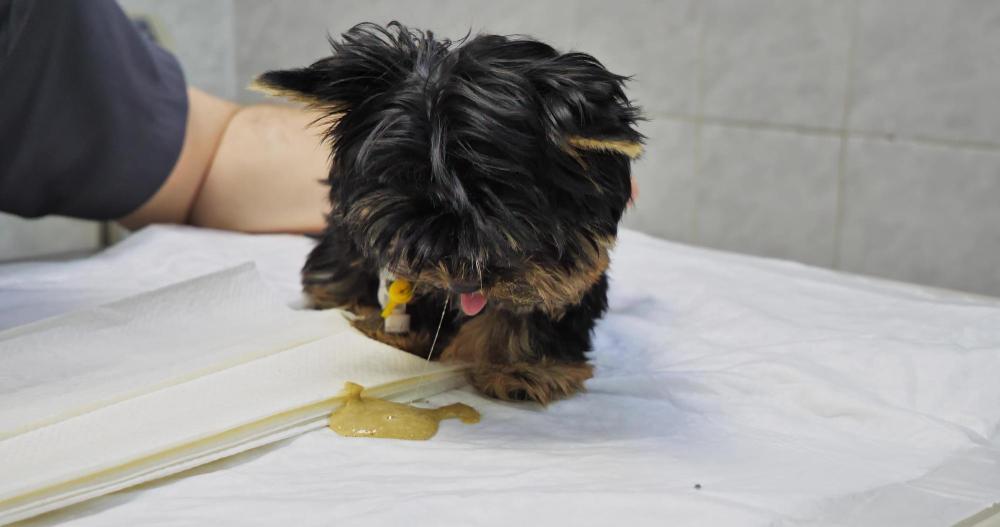
Blood in dog stool means bleeding somewhere in the digestive tract. Whether it requires emergency care or home monitoring depends on three things: color, volume, and what else is happening. Bright red blood (hematochezia) usually originates from the colon or rectum. Dark, tarry stool (melena) indicates digested blood from the stomach or upper intestine. The Merck Veterinary Manual treats both as clinical findings that warrant veterinary evaluation.
Let's understand what each type looks like, the most common causes of diarrhea in dogs, when to go to the vet immediately, and what to do at home while you wait.
The short version
- Bright red streaks point to the lower GI tract. Dark, tarry stool points to the upper GI tract. Both need veterinary attention.
- Every instance of blood in the stool warrants a call to your clinic. A single red streak in an otherwise normal dog can usually be monitored at home while you wait for that guidance. Dog diarrhea with blood plus vomiting, pale gums, or lethargy is an emergency- go in now.
- Dietary indiscretion, parasites, and parvovirus are the most common causes. Clotting disorders and foreign objects are less common but more dangerous.
- A bland diet may help mild cases. Do not start one without veterinary guidance.
Bloody stool in dogs: what it looks like and what it means
Not all bloody stool in dogs looks the same. The color tells you where the bleeding started, and that determines urgency.
Hematochezia. Fresh, bright red blood on or in the stool. Source: colon, rectum, or anus. Common causes include colitis, parasites, rectal injury, and anal gland problems. Signs: red streaks, mucus, frequent small stools.
Melena. Black, sticky, foul-smelling stool. Source: stomach or upper small intestine. The dark color results from stomach acid digesting the blood before it exits. Common causes include gastric ulcers, NSAID toxicity, and bleeding tumors. Melena is always serious. It often indicates a large or sustained bleed that can cause anemia.
Why is my dog pooping blood?
The causes sort into three categories: diet and foreign objects, infections and parasites, and systemic conditions.
Dietary causes and foreign objects
A dog that ate garbage, rich food, or a chewed toy can develop acute diarrhea, and a subset of dogs go on to develop acute hemorrhagic diarrhea syndrome (AHDS), which produces sudden, severe bloody stool. The cause of AHDS is not fully established; current veterinary literature associates it with Clostridium perfringens netF toxin, and dietary indiscretion is considered a possible trigger rather than a confirmed cause. Check the house for missing objects. Note any recent diet changes and whether other pets are also symptomatic.
Infections and parasites
Organisms that cause dog diarrhea with blood range from common intestinal worms to life-threatening viruses. Puppies without full vaccination schedules carry the highest risk.
- Hookworms, whipworms, and Giardia are the most frequent parasites.
- Bacterial infections from Salmonella or Campylobacter cause bloody diarrhea in dogs exposed at parks or boarding facilities.
- Parvovirus produces severe hemorrhagic diarrhea, vomiting, and rapid dehydration in unvaccinated or partially vaccinated dogs. Cornell's Baker Institute notes that the disease most often strikes puppies between 6 and 20 weeks old.
Bring a fresh stool sample to every vet visit. Mention recent animal contact.
Systemic and clotting disorders
The bleeding does not always originate in the gut. Liver disease, rodenticide poisoning, and clotting disorders can all cause bloody stool. Watch for nosebleeds, bruising, weakness, or pale gums. These signs alongside bloody stool indicate a systemic problem that needs emergency care.
Types of dog diarrhea
Identifying the type helps your vet choose tests and set urgency. The Merck Veterinary Manual describes hemorrhagic diarrhea as a hallmark presentation of both parvoviral enteritis and AHDS.
When blood in stool is an emergency
Go to a clinic immediately for large blood volume, repeated bloody diarrhea, or stools that resemble raspberry jam. These signal rapid fluid loss or internal damage that can cause shock. Pale gums, collapse, labored breathing, or known ingestion of a toxic substance are also emergencies.
Before leaving, grab a stool sample and write down when symptoms started. Quick access to IV fluids and testing can be the difference between recovery and organ failure.
When it may be safe to monitor at home
A single small streak of fresh blood in a dog that is eating, drinking, and acting normal can be watched for 24 hours. Track appetite, water intake, stool count, and any vomiting. Check hydration by pressing the gums (they should be pink and moist) or doing a skin tent test on the scruff. Call the clinic within 24 hours for guidance.
Home care and diet for a dog having diarrhea
Start home care only after your vet clears it. Focus on hydration, small bland meals, and close observation.
- Offer fresh water in small amounts throughout the day.
- Collect a stool sample and start a log: time, appearance, activity.
- Begin a bland diet in small portions if the vet approves.
- No treats, table scraps, or medications the vet did not prescribe.
- Return to the clinic if warning signs appear.
What to feed during diarrhea
Low-fat, easily digestible protein is the standard: boiled chicken without skin, or lean turkey mixed with white rice. If the vet suspects something beyond a simple upset, they may prescribe a therapeutic GI diet instead.
- Serve small meals four times daily after vomiting stops.
- Increase portions and reduce frequency if stool improves after 24 hours.
- Transition back to regular food over two to three days.
No fatty foods, dairy, or seasoned scraps until the dog is fully recovered.
Hydration and electrolyte support
Dehydration is the most immediate risk when a dog is having diarrhea. Check gums for moisture and press to confirm a quick capillary refill. Offer small sips throughout the day. Dog-specific electrolyte solutions help replace losses. Dry gums, sunken eyes, or skin that tents when pinched mean the dog likely needs IV fluids from a vet.
How to log symptoms
Precise notes accelerate diagnosis.
- Record the exact time of each stool.
- Describe appearance: color, consistency, estimated volume.
- Track food and water intake.
- Note vomiting episodes and energy level.
What the bowl data tells your vet
EverBowl learns from the eating and drinking patterns, not stool. But appetite and hydration changes during a GI episode give your vet clinical context a symptom log alone cannot. A seven-day intake trend, alongside your stool log, narrows the workup faster than either record alone. Nothing replaces a clinical exam. When in doubt, call the clinic.
What your vet will do
The veterinarian reviews history, performs a physical exam, and selects tests based on the dog's age, vaccination status, and symptom pattern.
Diagnostics
- Fecal exam and parasite screening for worms and protozoa.
- Rapid antigen or PCR testing for parvovirus.
- CBC and chemistry panel for organ function, hydration, and anemia.
- Abdominal radiographs or ultrasound if a foreign body or mass is suspected.
If initial tests are inconclusive and symptoms persist, the vet may recommend colonoscopy or biopsy.
Treatment
Stabilization comes first: IV fluids for dehydration, anti-nausea medication, and pain management. Parasites get deworming. Infections get targeted antimicrobials. Foreign bodies may require surgery. Follow discharge instructions closely for food and medication.
Recovery
Mild cases resolve in a few days with supportive care. Serious conditions require longer monitoring. Attend scheduled rechecks, repeat stool tests if instructed, and reintroduce food gradually. Call the clinic immediately if bleeding returns.
Conclusion
The color and volume of blood in the stool tell you how urgently your dog needs a vet. Bright red streaks in an otherwise normal dog usually mean a call to the clinic within 24 hours rather than an emergency visit. Dark tarry stool, large volumes of blood, or any bleeding alongside vomiting, pale gums, or lethargy cannot wait.
Photograph the stool, collect a sample, and log every detail. Sharing intake data alongside your symptom notes helps your vet move faster. Early calls are the safest path when bleeding occurs.
FAQs
What should I do if my dog has bloody diarrhea but is acting fine?
Call your vet for guidance even if the dog seems normal. Serious conditions can start with subtle changes. Track appetite, hydration, and stool frequency. Collect a sample in case the vet requests one. A phone call takes two minutes and rules out risk.
How long does bloody diarrhea from a minor cause typically last?
Dietary irritation usually resolves within 24 to 48 hours with rest and bland food. If blood persists past two days, or if vomiting or lethargy appear at any point, seek veterinary care immediately.
Can bloody diarrhea resolve on its own?
Sometimes a minor instance clears without intervention. The risk of waiting is that dog diarrhea with blood can indicate parvovirus, AHDS, or a clotting disorder. A quick exam identifies the cause and prevents escalation.
What does parvovirus stool look like?
Liquid, foul-smelling, often described as resembling raspberry jam. It can appear bright red or very dark. The Merck Veterinary Manual describes parvoviral diarrhea as commonly hemorrhagic. Any unvaccinated puppy with bloody diarrhea should be treated as a parvovirus case until proven otherwise.