Why Is My Dog Throwing Up? Common Causes, Yellow Vomit, Treatment & When to See a Vet

Dogs vomit for many reasons, from eating something irritating to pancreatitis, intestinal obstruction, infection, kidney or liver disease, and toxin exposure. One isolated episode in an otherwise alert dog may settle without treatment. Repeated vomiting, blood, abdominal pain, weakness, fever, or an inability to keep water down needs veterinary attention.
Experts advise calling your veterinarian if vomiting lasts more than 24 hours or occurs with lethargy, abdominal pain, or fever.
Experts advise calling your vet if vomiting lasts more than 24 hours or appears with lethargy, a painful abdomen, or fever.
The Short version
- One isolated vomiting episode in an otherwise alert adult dog may settle on its own. Puppies, senior dogs, and dogs with chronic disease need a lower threshold for veterinary care.
- Yellow vomit is usually bile from an empty stomach, but it's a concern if it happens repeatedly or is paired with other signs of illness.
- If your dog vomits once but remains alert and can keep water down, monitor closely. Call your veterinarian if vomiting repeats or another symptom appears.
- Never give your dog human medications for vomiting without explicit instructions from your veterinarian, as many are toxic to dogs.
Why is my dog throwing up?
Vomiting is a clinical sign, not a diagnosis. Gastrointestinal disease, pancreatitis, kidney or liver disease, toxins, infection, and obstruction can all cause it. Causes range from dietary irritation and infection to a swallowed foreign object, pancreatitis, toxin exposure, or kidney and liver disease.
Dietary causes
Dietary indiscretion is a common cause of acute vomiting. Spoiled food, garbage, rich table scraps, and abrupt diet changes can all irritate the gastrointestinal tract.
- Getting into the trash or scavenging on a walk is one of the most common triggers, and the vomit often still contains recognizable food.
- VCA recommends changing food gradually over 7–14 days to avoid digestive problems, and advises slowing the transition if vomiting, loose stools, or reduced appetite appear.
- Food allergies or sensitivities tend to cause vomiting alongside other signs, like itchy skin or chronic ear infections, rather than vomiting on its own. A single dietary episode that resolves within a day usually doesn't need a vet visit. Repeated dog vomiting after eating does.
Infections and toxins
Infections and toxins can activate vomiting through gastrointestinal inflammation or the brain's emetic pathways. Both can worsen quickly.
- Viral infections such as parvovirus, most common in puppies and unvaccinated dogs, typically bring on vomiting alongside lethargy, fever, and diarrhea that is often bloody, according to the Merck Veterinary Manual and the AVMA.
- Bacterial overgrowth and intestinal parasites cause more gradual, intermittent vomiting, sometimes with visible worms or mucus in the stool.
- Common household toxins, including chocolate, xylitol (found in sugar-free gum and some peanut butters), grapes and raisins, are all established dog vomiting causes, per the ASPCA.
If a specific ingestion is suspected, call ASPCA Animal Poison Control at (888) 426-4435 alongside your vet.
Underlying illnesses
Chronic or systemic conditions produce vomiting as one sign among several.
- Pancreatitis, an inflammation of the pancreas most associated with high-fat meals or getting into the trash, causes repeated vomiting alongside abdominal pain, lethargy, and appetite loss, and is more common in Miniature Schnauzers, Yorkshire Terriers, and Cocker Spaniels, per the Merck Veterinary Manual.
- Kidney and liver disease, inflammatory bowel disease, and some cancers all suppress appetite and trigger vomiting as toxins or inflammation build up in the body.
- Puppies, senior dogs, small breeds, and dogs with a known chronic condition are all higher-risk groups, since they have less physical reserve to handle dehydration or blood sugar swings.
Eating behavior: Vomiting vs. regurgitation after meals
Food that comes back up shortly after eating is not always vomiting. Vomiting is active and usually involves nausea, retching, or abdominal contractions. Cornell notes that regurgitation is passive, occurs without retching, and may happen without warning. Recurrent regurgitation deserves veterinary assessment because it can indicate an esophageal disorder.
Yellow vomit
Yellow or yellow-green vomit often contains bile. University of Illinois describes bile as yellow or greenish and sometimes foamy or mucus-like. Yellow bile often appears after the stomach has been empty for several hours, particularly in dogs with recurrent early-morning vomiting.
Why dogs throw up yellow bile
When a dog goes several hours without eating, often overnight, bile can reflux backward from the small intestine into the empty stomach and irritate the lining enough to trigger vomiting. Veterinarians call this bilious vomiting syndrome.
- Bilious vomiting syndrome is often seen in dogs with a long overnight fasting period, but the feeding schedule itself is not considered the cause.
- Episodes of a dog throwing up yellow tend to happen early in the morning, and the dog is usually back to normal, eating breakfast happily, right after.
- A late-night snack or splitting food into more frequent, smaller meals often resolves it, since the change shortens the fasting window rather than treating a disease, according to veterinary internal medicine specialists at the University of Illinois.
When yellow vomit is serious
Bilious vomiting syndrome is a diagnosis of exclusion, meaning a vet rules out other causes first, and by itself it isn't considered an emergency in dogs. The concern is when yellow vomiting appears with other clinical signs.
- Vomiting that continues despite feeding, or happens more than once in a day, is no longer a simple fasting issue.
- Lethargy, a painful or distended abdomen, dehydration, or blood alongside yellow bile are red flags for pancreatitis, an obstruction, or a systemic illness.
- Any of these combinations warrants a same-day call to your vet rather than waiting to see if it resolves on its own.
What to do after one vomiting episode
If a healthy adult dog vomits once but remains alert and can keep water down, close monitoring may be reasonable. Cornell recommends continuing access to water and notes that an isolated episode may settle after a short period without food. Puppies, senior dogs, chronically ill dogs, and dogs with repeated vomiting should be discussed with a veterinarian sooner.
At-home care steps
Start conservatively and watch how your dog responds.
- For an otherwise healthy adult dog with one isolated episode, Cornell advises continuing access to water and notes that a short period without food may be reasonable. Discuss withholding food with a veterinarian before doing so for puppies, senior dogs, or dogs with chronic disease.
- Offer small, frequent sips of water rather than a full bowl. Drinking a large amount quickly on an already irritated stomach can trigger more vomiting.
- Remove access to garbage, and supervise outdoor time so your dog can't scavenge while their stomach is settling.
- Once your dog keeps water down, move to bland food in small portions rather than a regular-sized meal.
Medications and supplements
Veterinarians have several drug classes available for vomiting, and none of them is appropriate to give without a vet's direction.
- Antiemetics such as maropitant (brand name Cerenia) act directly on the vomiting center in the brain and are FDA-approved for use in dogs.
- Gastroprotectants such as omeprazole and famotidine reduce stomach acid and are used for ulceration or reflux, though a 2020 study in Scientific Reports found these drugs are frequently overprescribed relative to what they can actually achieve in hospitalized dogs.
- Pet-specific probiotics and small amounts of plain ginger are sometimes used as gentle adjuncts, but should be cleared with your vet first, especially if your dog is on other medication.
Never give human anti-nausea medication, and never induce vomiting unless a vet or the ASPCA Animal Poison Control Center at (888) 426-4435 specifically tells you to.
Diet and recovery
- Small meals may be reintroduced once water stays down and vomiting has stopped.
- Diet choice should depend on the dog's condition and veterinary recommendation.
- Vomiting that returns after food is reintroduced warrants veterinary advice.
When to see a vet
The short version: one vomiting episode in a dog who's otherwise bright and active can usually be watched at home. Repeated vomiting, blood, a swollen belly, or a dog that seems weak needs a same-day vet call.
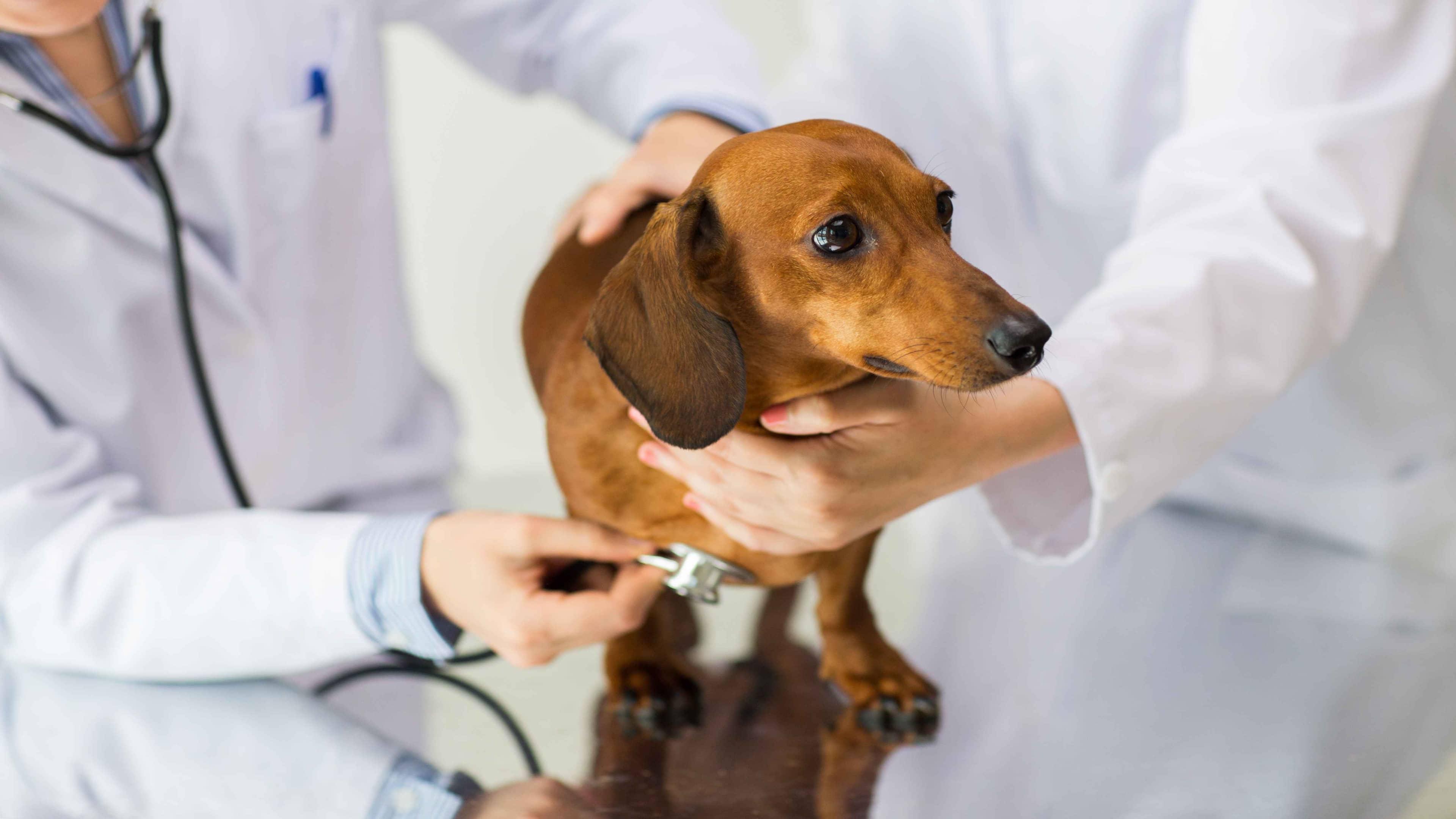
Frequency, vomit contents, and accompanying signs determine urgency. Your vet will typically start with a physical exam and a set of questions about timing and symptoms before deciding whether bloodwork or imaging is needed.
Red flags to watch for
A few specific combinations point toward genuine emergencies rather than routine stomach upset.
- Persistent or repeated vomiting risks dehydration fast, especially in small dogs and puppies.
- A hard, distended abdomen paired with unproductive retching (trying to vomit but nothing comes up) is the classic presentation of bloat, or GDV, which the American Animal Hospital Association identifies as a life-threatening emergency that can progress within hours.
- Blood in the vomit, whether bright red or looking like coffee grounds, a sign of partially digested blood, always needs same-day evaluation.
- Collapse, pale or blue-tinged gums, and inability to keep water down all point toward shock or severe dehydration and need emergency care.
What to tell your veterinarian
Before you call, or while you're on the phone, have these details ready:
- When the vomiting started and how many episodes so far
- What the vomit contained: food, foam, bile, blood, or something unrecognizable
- Whether your dog has also had diarrhea, appetite loss, or seems lethargic
- Any recent diet changes, new treats, or access to garbage or possible toxins
- Whether your dog is fully vaccinated, especially relevant for puppies given the risk of parvovirus
- Any existing medical conditions or medications your dog is currently on
Common diagnostics
How Hoomanely EverBowl™ helps
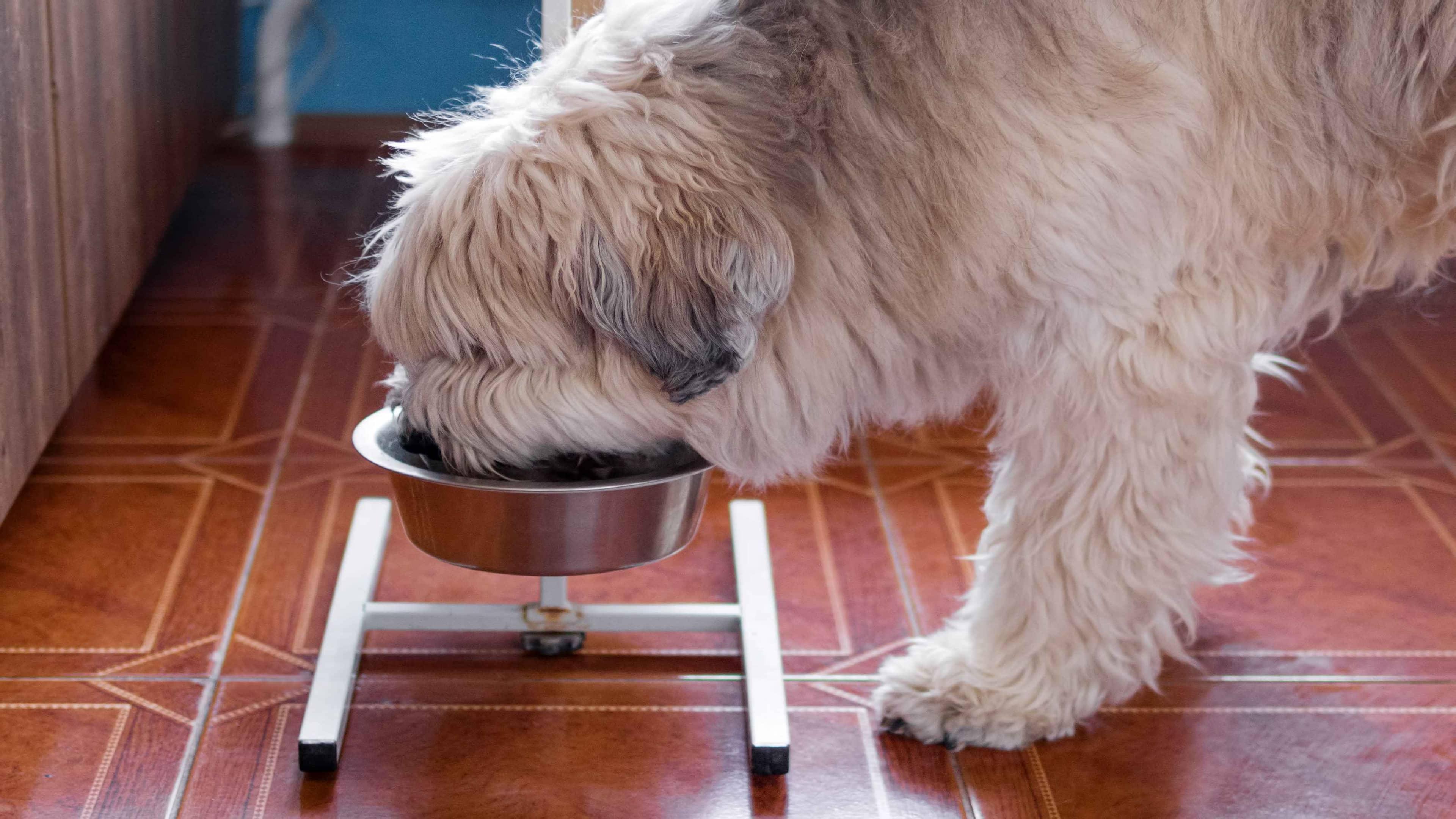
Vomiting is an event. The changes around it can be just as useful. Food intake may decline before an episode, and drinking patterns may shift while a dog is unwell.
EverBowl learns eating and drinking patterns and compares them with the dog's established baseline. It does not detect the cause of vomiting. The value is the record: a dated intake trend can sit alongside your notes on vomiting, stool, appetite, and behavior when you speak with your veterinarian.
Conclusion
A single vomiting episode in a dog who otherwise seems fine is common and usually resolves within a day with basic home care. Repeated vomiting, blood, a swollen abdomen, or a dog that seems weak or won't keep water down is a different situation and needs same-day veterinary attention.
Track what your dog vomits, how often, and what else is going on, and use that information, not guesswork, to decide whether to wait or call. Tools like EverBowl can help you catch the pattern earlier, but they work alongside your veterinarian, not instead of one.
FAQs
1. What if my dog is vomiting but acting normal?
A single vomiting episode in a dog who's bright, eating, and behaving normally is usually not an emergency. Withhold food briefly, offer small sips of water, and monitor for the next 24 hours. Call your vet if it happens again or your dog's behavior changes.
2. Should I give my dog water right after they vomit?
Offer small, frequent sips rather than a full bowl. Drinking a large amount of water quickly on an already irritated stomach can trigger another round of vomiting.
3. Can stress cause a dog to vomit?
Yes. Anxiety, travel, a new environment, or a stressful event can trigger vomiting through the same nausea pathways as illness, though it's a diagnosis of exclusion, meaning other causes should be ruled out if it keeps happening.
4. What does kidney failure vomit look like in dogs?
Vomiting linked to kidney disease is usually driven by uremic toxins irritating the stomach lining, so it often looks like ordinary bile-tinged vomit, though blood can appear if the lining becomes ulcerated. It's usually accompanied by other signs, like increased thirst and urination, appetite loss, and bad breath.
5. How long should I feed my dog a bland diet after vomiting?
Most dogs can start transitioning back to their regular food within a few days once vomiting has stopped and stool looks normal, mixing in increasing amounts of regular food over 2 to 3 days rather than switching back all at once.